
Book Your Consultation Ready to experience authentic Himalayan Ayurveda? Contact Ayush Panchkarma to begin your personalized treatment journey. Located in Gopalpur, Palampur, Himachal Pradesh — in the pristine foothills of the Himalayas. Website: ayushpanchkarma.com | Email: doctor@ayushpanchkarma.com | WhatsApp: +91-8894356919
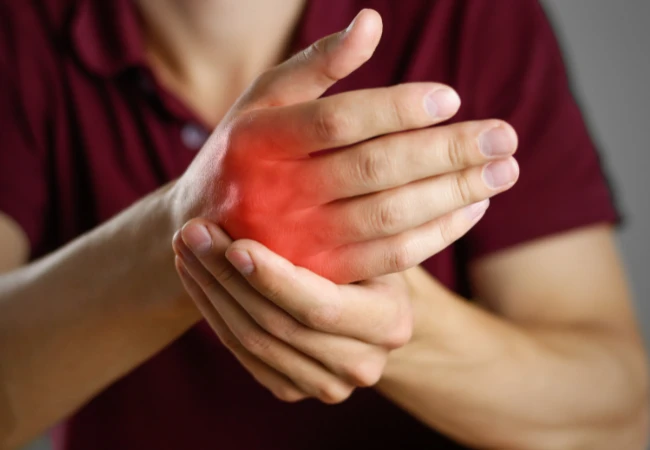
Your joints are not meant to ache, stiffen, or swell. Persistent joint pain is not just ageing — it is a deep signal of internal imbalance. At Ayush Panchakarma, nestled in the Himalayan foothills of Palampur, Himachal Pradesh, we offer one of India's most authentic Ayurvedic arthritis treatment programmes — one that goes far beyond painkillers, anti-inflammatory drugs, and temporary management.
Our approach is rooted in classical Ayurvedic science. We identify and address the root cause of your arthritis — whether it is aggravated Vata dosha, Ama accumulation (metabolic toxins), depleted Sleshaka Kapha (joint lubricating fluid), or inflammatory Pitta involvement. Using time-tested Panchakarma detoxification therapies, personalised herbal formulations, and a structured Ayurvedic diet and lifestyle plan, we aim to support your body's natural joint health from within.
We offer Ayurvedic support for: Rheumatoid Arthritis (Amavata), Osteoarthritis (Sandhivata), Gout (Vatarakta), Ankylosing Spondylitis, Psoriatic Arthritis, Juvenile Arthritis, Cervical & Lumbar Spondylosis, Fibromyalgia, and general joint pain, stiffness, and swelling.
Ayush Panchakarma is one of the few centres in Himachal Pradesh offering classical, physician-supervised Panchakarma joint care with personalised herbal medicine and dietary guidance — all under one roof in the Himalayan foothills.
Why Arthritis Is an Internal Problem — The Ayurvedic View
Modern medicine treats arthritis as a structural or immunological problem — targeting inflammation with NSAIDs, steroids, and disease-modifying drugs. Ayurveda sees it very differently. According to classical texts like Charaka Samhita and Sushruta Samhita, all major joint disorders arise from a deep doshic imbalance — most prominently Vata — combined with accumulated Ama (undigested metabolic waste) lodged in the joints and connective tissues.
This is why pain management alone rarely produces lasting results. The arthritis returns and progresses because the root cause — the internal toxin load and doshic imbalance — has never been addressed. Panchakarma aims to address this at the deepest level.
The Three Root Causes of Arthritis in Ayurveda
Ama Accumulation (Amavisha): Undigested metabolic waste produced by weak Agni (digestive fire) circulates through the body and lodges in the joints — creating the characteristic stiffness, swelling, and inflammation of Rheumatoid Arthritis and Gout.
Vata Aggravation: Excess Vata — the dosha governing movement and the nervous system — depletes the synovial fluid (Sleshaka Kapha) that lubricates joints, causing the dryness, cracking, pain, and degeneration characteristic of Osteoarthritis and Spondylosis.
Pitta-Vata Combined (Rakta Involvement): In inflammatory arthritis, Pitta enters the joints through the bloodstream, producing intense heat, redness, swelling, and burning pain — as seen in Gout (Vatarakta) and Psoriatic Arthritis.
By addressing all causative factors simultaneously through Panchakarma detoxification and Shamana (palliative) therapies, we offer a level of holistic support that symptom management alone cannot provide.
Arthritis Conditions We Support at Ayush Panchakarma
1. Rheumatoid Arthritis (Amavata)
Rheumatoid Arthritis is an autoimmune condition characterised by symmetric joint inflammation, morning stiffness lasting over an hour, swelling, warmth, and progressive joint destruction. In Ayurveda, Amavata is caused by the combination of Ama and aggravated Vata — a condition directly addressed by our Panchakarma protocol.
Our RA support protocol uses Virechana (purgation therapy) to clear Ama from the gut-blood interface, Basti (medicated enema) as the primary Vata-pacifying procedure, Podikkizhi and Ilakizhi (herbal bolus fomentation) for localised joint inflammation, internal formulations including Amritottara Kashaya, Rasna Sapthakam, and Yogaraja Guggulu, and Langhana (controlled dietary protocol) to stop further Ama formation.
Related reading: Panchakarma Therapies That Help Manage Rheumatoid Arthritis Naturally
2. Osteoarthritis (Sandhivata)
Osteoarthritis presents as progressive cartilage degeneration, joint space narrowing, bone spurs, crepitus (joint cracking), and pain that worsens with activity and improves with rest. The knees, hips, spine, and hands are most commonly affected. OA is the most prevalent form of arthritis globally and is rapidly increasing due to sedentary lifestyles and dietary imbalances.
Our Ayurvedic OA support focuses on Janu Basti (medicated oil pooling over the knee joint), Kati Basti (for lumbar OA), Abhyanga with deeply penetrating Vata-pacifying oils such as Mahanarayana Taila and Ksheerabala Taila, Navarakizhi (rice bolus therapy) for cartilage nourishment, Basti for systemic Vata correction, and Rasayana therapy with Ashwagandha, Shatavari, and Bala to support musculoskeletal tissue.
3. Gout (Vatarakta)
Gout — caused by elevated uric acid deposits in the joints — produces sudden, intense pain, swelling, and redness most commonly in the big toe, ankles, and knees. Dietary excess, alcohol, and impaired kidney filtration are key triggers. In Ayurveda, Vatarakta involves the combined aggravation of Vata and Pitta through vitiated Rakta (blood).
Our gout support protocol uses Virechana for blood purification, Raktamokshana (leech therapy) for acute localised gout attacks, Gokshura and Punarnava formulations for uric acid clearance, strict dietary restructuring to eliminate Pitta-aggravating and purine-rich foods, and Guduchi-based anti-inflammatory protocols. We have supported patients with chronic tophaceous gout alongside their prescribed medical treatment.
4. Ankylosing Spondylitis (Asthi-Majja Gata Vata)
Ankylosing Spondylitis is a chronic inflammatory condition affecting the sacroiliac joints and spine — causing progressive stiffness, pain, and eventual fusion (ankylosis) of vertebrae. It predominantly affects young men and significantly impacts quality of life. Early intervention is important.
Our AS support protocol includes Kati Basti and Greeva Basti for spinal column oilisation, Basti as the cornerstone Vata-pacifying procedure, Patra Pinda Sweda for para-spinal musculature, Virechana for systemic Pitta-Ama clearance, and Rasayana with Bala Taila and Ashwagandha for bone-marrow nourishment. Specific Yoga asanas and Pranayama are integrated for spinal mobility. We advise a minimum 28-day residential programme for a complete course of treatment.
5. Psoriatic Arthritis
Psoriatic Arthritis involves both skin plaques and inflammatory joint disease — reflecting a combined Pitta-Vata imbalance with Rakta Dushti (blood impurity). Our support protocol addresses both the joint and skin components simultaneously, combining our Ayurvedic skin treatment protocols with the joint-specific Panchakarma procedures described above.
6. Other Conditions We Support
- Cervical Spondylosis — neck pain, radiating arm pain, stiffness
- Lumbar Spondylosis & Disc Prolapse — lower back pain, sciatica, disc degeneration
- Fibromyalgia — widespread musculoskeletal pain, fatigue, sleep disruption
- Juvenile Arthritis — paediatric inflammatory joint conditions
- Frozen Shoulder (Apabahuka) — restricted shoulder mobility and chronic pain
- Knee Pain & Sports Injuries — cartilage damage, ligament strain, post-surgical recovery
Explore our full list of conditions: Diseases We Support at Ayush Panchakarma
Core Panchakarma Therapies Used for Arthritis
Our arthritis support protocols draw from the full range of classical Panchakarma therapies. Each patient receives a customised combination based on their Prakriti (constitution), disease type, severity, and current doshic state.
Basti (Medicated Enema) — The King of Vata Treatments
Basti is the single most important Panchakarma procedure for Vata-predominant disorders — and thus for most forms of arthritis. Classical texts describe Basti as "Ardhachikitsa" — half of all treatment — for its profound ability to pacify Vata at its root in the colon. Two types are used: Anuvasana Basti (oil enema) for deep Vata nourishment, and Kashaya Basti (decoction enema) for Ama elimination. A complete Basti course (Yoga Basti or Karma Basti) aims to support joint health and reduce stiffness over time.
Janu Basti, Kati Basti & Greeva Basti (Localised Oil Pooling)
A dough dam (Basti) is constructed around the affected joint — knee (Janu), lower back (Kati), or neck (Greeva) — and filled with warm, medicated oil held for 30–45 minutes. The oil deeply penetrates the joint capsule and periarticular tissues, directly nourishing the cartilage, lubricating the joint space, and supporting comfort and mobility. Learn more about our Classic Ayurvedic Therapies.
Virechana (Therapeutic Purgation)
Virechana eliminates excess Pitta and Ama from the small intestine, liver, and blood — directly addressing the inflammatory and toxic components of Rheumatoid Arthritis, Gout, and Psoriatic Arthritis. Preceded by 3–7 days of internal oleation (Snehana) and external oil massage and steam, Virechana produces a profound systemic cleansing effect.
Navarakizhi (Rice Bolus Fomentation)
Navara rice — a specific medicated variety — is cooked in Bala decoction and milk, wrapped in boluses, and applied with rhythmic strokes over the joints and body. This deeply nourishing therapy aims to support muscle and connective tissue health, improve circulation to joints, and provides both Brinhana (nourishment) and Swedana (therapeutic sweating) simultaneously. It is used in Osteoarthritis, Rheumatoid Arthritis, and neurological joint conditions.
Podikkizhi & Ilakizhi (Herbal Powder & Leaf Bolus Therapy)
Dry herbal powders or fresh medicinal leaves are bundled into boluses, heated, and applied over inflamed joints. These therapies produce targeted fomentation that aims to support joint comfort and local circulation. Used particularly in inflammatory phases of Rheumatoid Arthritis and Gout.
Abhyanga (Full-Body Ayurvedic Oil Massage)
Our arthritis support protocols include daily full-body Abhyanga (Ayurvedic oil massage) with specially selected medicated oils — Mahanarayana Taila for musculoskeletal pain, Ksheerabala Taila for Vata-predominant OA, Dhanwantharam Taila for post-surgical joint recovery, and Sahacharadi Taila for lower limb conditions. The oil chosen is always condition and Prakriti-specific.
Raktamokshana (Bloodletting Therapy)
For blood-borne inflammatory arthritis — particularly Gout (Vatarakta) and Psoriatic Arthritis — Raktamokshana using Jalauka (medicinal leeches) aims to remove vitiated, toxin-laden blood from the affected joint areas. It is used for acute gout attacks and localised inflammatory arthritis.
Our Ayurvedic Arthritis Treatment Programme
Every patient who comes to Ayush Panchakarma for arthritis support receives a structured, personalised programme designed by our qualified Ayurvedic physician. Here is what to expect:
Phase 1 — Detailed Consultation & Diagnosis
Your treatment begins with a comprehensive consultation including Nadi Pariksha (Ayurvedic pulse diagnosis), Prakriti assessment, Vikriti (current imbalances), disease history, X-ray and blood report review, and lifestyle factors. Based on this, your personalised treatment plan is designed. Learn more about our diagnostic approach: Our Panchakarma Approach.
Phase 2 — Purva Karma
Before main Panchakarma procedures can be performed, the body must be properly prepared through Snehana (internal and external oleation with medicated ghee and oils) and Swedana (herbal steam therapy). This loosens accumulated Ama from joint tissues and channels, mobilising it toward the gut for elimination. Patients begin herbal medications and the prescribed dietary protocol during this phase.
Phase 3 — Pradhana Karma
The main therapeutic procedures — Basti, Virechana, Janu/Kati Basti, Navarakizhi, Podikkizhi, Raktamokshana, or Nasya depending on your condition — are performed during this phase under direct physician supervision. Daily Abhyanga and fomentation continue throughout. Duration ranges from 14 to 28 days depending on the severity and chronicity of your arthritis.
Phase 4 — Paschat Karma
Following the main cleansing procedures, the body enters a Rasayana (regenerative) phase using herbal formulations that aim to support joint cartilage, strengthen bone, restore synovial fluid production, and enhance musculoskeletal health. A detailed take-home protocol — medicines, diet, Yoga, and lifestyle — is provided after returning home.
Minimum recommended stay for arthritis: 14 days. For Rheumatoid Arthritis, Ankylosing Spondylitis, and advanced OA: 21–28 days recommended. Homestay accommodation is available on-site for your comfort.
Stay on-site during your treatment: Ayurvedic Homestay at Ayush Panchakarma.
Key Ayurvedic Medicines for Arthritis
Our physicians prescribe classical Ayurvedic formulations validated through centuries of use. All medicines are sourced from GMP-certified Ayurvedic pharmacies.
- Yogaraja Guggulu — classical formulation for Vata-dominant joint disorders
- Mahayogaraja Guggulu — enhanced formulation for severe RA and AS
- Rasna Sapthakam Kashaya — classical decoction for joint pain, stiffness, and swelling
- Amritottara Kashaya — for Ama pacification in Rheumatoid Arthritis and autoimmune joint conditions
- Punarnava Mandoora — for joint oedema, uric acid management, and kidney support in Gout
- Ksheerabala Taila (internal) — neurological and Vata-nourishing medicated oil for OA
- Ashwagandha / Bala Rasayana — for muscle, bone, and connective tissue support in degenerative arthritis
- Guduchi (Giloy) formulations — immuno-modulatory and anti-inflammatory support for RA and Gout
- Gokshuradi Guggulu — for uric acid clearance and kidney support in Vatarakta (Gout)
All prescriptions are individualised. The exact combination and duration of medicines will be determined by your Ayurvedic physician during consultation.
Ayurvedic Diet & Lifestyle for Arthritis
Diet is foundational in Ayurvedic arthritis management. At Ayush Panchakarma, dietary guidance is personalised based on your Prakriti, disease type, and season.
Foods to Favour for Vata-Type Arthritis (OA, Spondylosis)
- Warm, cooked, lightly spiced, unctuous (oily) foods — essential for Vata pacification
- Ghee, sesame oil, and warm milk — nourishing for bone and joint tissue
- Root vegetables — sweet potato, carrot, beet (cooked)
- Whole grains — rice, wheat, oats — taken warm
- Mung dal soup, lentil broth — easily digestible proteins
- Garlic, ginger, turmeric, fenugreek — anti-inflammatory and Vata-pacifying spices
Foods to Favour for Ama-Type Arthritis (RA, Gout)
- Light, easily digestible foods — old rice, moong dal, barley water, thin vegetable soups
- Bitter vegetables — bitter gourd, fenugreek, drumstick leaves — Ama-reducing
- Warm water with ginger and lemon — supports Ama reduction
- Pomegranate, amla, coconut water — anti-inflammatory and blood-purifying
Foods to Avoid During Arthritis Support
- Cold, dry, and raw foods — aggravate Vata and worsen joint health
- Curd, alcohol, fermented foods — Ama-forming agents in classical texts
- Processed, packaged, and fried foods — loaded with inflammatory agents
- Purine-rich foods (for Gout) — red meat, organ meats, shellfish, beer
- Incompatible food combinations (Viruddha Ahara) — a primary cause of Ama formation
- Nightshades (for inflammatory arthritis) — tomatoes, potatoes, brinjal
Our kitchen at Ayush Panchakarma prepares all meals according to your prescribed dietary protocol during your residential stay — warm, nourishing, and aligned with your treatment.
Why Choose Ayush Panchakarma for Arthritis Support?
- Physician-supervised Panchakarma — every procedure prescribed and supervised by a qualified Ayurvedic doctor, not just therapists
- Himalayan location — clean air, pure Himalayan water, and a natural environment that actively supports joint health and inflammation management
- Classical, authentic protocols — we follow procedures as described in classical Ayurvedic texts, not diluted spa versions
- Personalised to your Prakriti — Rheumatoid Arthritis and Osteoarthritis are addressed fundamentally differently; we individualise everything
- Residential care with Ayurvedic meals — your treatment environment supports healing 24 hours a day
- Documented experience — we have supported patients with RA, OA, Gout, and AS from across India and abroad
- Post-treatment support — detailed take-home protocol including medicines, diet, and lifestyle guidance
See our approach and team: About Ayush Panchakarma | Our Panchakarma Programmes & Packages
Related Treatments & Resources
Arthritis rarely occurs in isolation. Explore our related treatments and wellness resources:
- Panchakarma Detox Retreats — Residential healing immersions in the Himalayas
- Classic Ayurvedic Therapies — Abhyanga, Shirodhara, Nasya, Kati Basti and more
- Ayurvedic Skin Treatment — Psoriatic Arthritis has both skin and joint components; address both together
- Ayurvedic Diabetes Treatment — Metabolic syndrome frequently co-exists with OA and Gout
- Ayurvedic Treatment for PCOS — Hormonal imbalance and joint inflammation share common root causes in women
- Ayurvedic Courses & Training — Learn authentic Ayurvedic joint therapy techniques
- Ayush Panchakarma Blog — In-depth guides on Ayurvedic arthritis care and Panchakarma healing
Frequently Asked Questions — Ayurvedic Arthritis Treatment
Can Ayurveda permanently cure arthritis?
Ayurveda does not claim to permanently cure arthritis. Our approach addresses root causes through Panchakarma detoxification and Rasayana therapies. Individual outcomes vary based on body constitution, disease type, duration, and adherence to the programme. A long-term maintenance protocol is recommended to support ongoing joint health.
How long does the arthritis treatment programme last?
Minimum 14 days for mild-to-moderate conditions. 21–28 days is recommended for chronic Rheumatoid Arthritis, severe Osteoarthritis, or Ankylosing Spondylitis. Your physician will advise the ideal duration after your initial consultation.
Is the treatment safe for elderly patients?
Yes. Ayurvedic arthritis support is adjusted for age and overall health status. We regularly support elderly individuals seeking a complementary approach alongside their existing medical care.
Do I need to stop my existing medications?
Do not stop any existing medication without medical advice. During your consultation, our physician will review your current medications and advise accordingly. In most cases, Ayurvedic support complements existing medications initially.
What accommodation is available during treatment?
We offer comfortable homestay accommodation within our centre compound. Ayurvedic meals aligned with your treatment protocol are provided throughout your stay. See our Homestay page for details.
Can international patients visit?
Absolutely. We welcome patients from across India and abroad. The nearest airport is Gaggal (Dharamsala), 30 minutes from Palampur. Our team can assist with travel guidance.
Are the treatments painful?
Most treatments like Abhyanga, Janu Basti, and Kati Basti are deeply relaxing. Virechana involves a day of induced purgation which can be temporarily uncomfortable but is safe under supervision. All procedures are explained before they are performed.
Will I need to follow a diet during treatment?
Yes — dietary compliance is an important part of the programme. Our kitchen prepares all meals according to your prescription. You will be guided on what to eat and avoid during your stay and after returning home.
Results may vary from person to person. Ayurvedic therapies are supportive and complementary in nature. Individual outcomes depend on body constitution, lifestyle, severity of condition, and adherence to the treatment programme. Please consult your physician before making any changes to your existing medical treatment.
Book Your Ayurvedic Arthritis Treatment Consultation
Ready to begin your journey toward better joint health — naturally? Our Ayurvedic doctors are here to help.
📞 Call / WhatsApp: +91-8894356919 | ✉ Email: doctor@ayushpanchkarma.com | 📍 V.P.O. Gopalpur, Tehsil Palampur, District Kangra, HP 176061
Book your consultation online | Panchakarma Packages & Pricing | Panchakarma Retreats | Specialised Treatments Overview